British Education System: A Guide to British Schools
Published March 2026

The United Kingdom’s education system is widely recognised for its academic standards, heritage and clarity of structure. It has shaped generations of leaders, innovators and thinkers, offering a balanced education that develops knowledge, character and confidence.
This guide provides expatriate families with a clear overview of the British education system, from early years through to higher education. Whether you are exploring international schools in Singapore or considering future study in the UK, understanding the structure and pathways of British education will help you make informed decisions for your child.
Understanding the UK Education System
The UK curriculum is a distinct offering among international schools in Singapore. It allows families to access a British education without relocating to the UK, combining academic rigour with strong pastoral care and co-curricular breadth.
From pre-prep to senior school, the British approach balances tradition with modern teaching methods, ensuring pupils are academically secure while also developing confidence, independence and compassion.
At Brighton College (Singapore), we do not simply deliver a British curriculum; we actively emulate the standards, approaches and ethos of Brighton College in the UK, recently named UK ‘School of the Decade’. Our academic expectations, pastoral systems and values-driven culture are closely aligned with the founding school, ensuring that pupils in Singapore benefit from the same ambition, clarity and character that define Brighton’s outstanding reputation.
The National Curriculum Explained
At the heart of the UK education system is the National Curriculum, which outlines the subjects taught and the standards pupils are expected to achieve. It provides structure and consistency across primary and secondary education.
The curriculum is divided into “key stages,” each marking a phase in a child’s development:
| Stage | Child’s Age | School Year |
|---|---|---|
| Early Years | 18 months-5 years | Nursery and Reception |
| Key Stage 1 | 5-7 years | Years 1-2 |
| Key Stage 2 | 7-11 years | Years 3-6 |
| Key Stage 3 | 11-14 years | Years 7-9 |
| Key Stage 4 | 14-16 years | Years 10-11 |
| Key Stage 5 | 16-18 years | Years 12-13 |
During these stages, pupils study a broad range of subjects including English, mathematics, science, humanities, computing and physical education, before gradually moving towards greater specialisation.
Early Years Foundation Stage (18 months to 5 years)
Within the Early Years Foundation Stage, learning is organised around seven key areas of development.
Three prime areas form the core foundation:
- Communication and Language – developing listening, understanding and speaking skills.
- Physical Development – strengthening gross and fine motor skills, coordination and healthy habits.
- Personal, Social and Emotional Development – building confidence, self-regulation and positive relationships.
Alongside these are four specific areas which broaden children’s learning:
- Literacy – early reading, writing and comprehension.
- Mathematics – developing understanding of number, shape and pattern.
- Understanding the World – exploring people, communities, technology and the natural environment.
- Expressive Arts and Design – encouraging creativity, imagination and the use of different media.
Learning at this stage is primarily play-based. Children learn through exploration, guided activities and purposeful interaction with adults and peers. Progress is carefully observed and assessed through regular classroom observation, ensuring that each child develops at an appropriate pace and is well prepared for the transition into primary school.
Primary Education (Ages 5-11)
Primary education builds core literacy and numeracy skills while introducing a wider curriculum including science, history, geography, art and physical education.
British prep schools typically emphasise active learning, collaboration and curiosity. Pupils are encouraged to explore ideas, ask questions and develop a genuine enjoyment of learning.
Explore how our Prep School brings the best of the British primary curriculum to Singapore.
Secondary Education (Ages 11-16)
Secondary school introduces greater academic rigour and increasing independence. English, mathematics and science remain central, while pupils continue studying languages, humanities, the arts, computing and physical education.
During Key Stage 4 (Years 10-11), pupils prepare for the International General Certificate of Secondary Education (IGCSE). Subject choices made at this stage allow pupils to begin aligning their studies with future ambitions.
Our Senior School offers the internationally recognised IGCSE programme, preparing pupils for Sixth Form and beyond.
These years focus on developing analytical thinking, resilience and independence, qualities that prepare pupils well for the next stage of education.
Further Education in the UK (Ages 16-18)
After completing IGCSEs, pupils move into Key Stage 5. They may choose from:
A-levels: Academic qualifications recognised globally and widely used for university entry. In our Sixth Form, pupils study A-levels – the gold standard for UK university admissions.
Vocational pathways and apprenticeships: More practical, skills-based routes leading directly to employment or specialised training. This stage allows pupils to refine their strengths and prepare either for university or the professional world.
Higher Education in the UK
The UK is home to some of the world’s leading universities. Higher education pathways include:
- Foundation programmes for additional preparation
- Undergraduate degrees (typically three to four years)
- Postgraduate study including master’s and doctoral degrees
UK universities are internationally respected for academic rigour, research and global employability.
Why Choose a British Education in Singapore?
A British education is about more than examinations. It aims to develop knowledgeable, resilient and thoughtful young people.
For expatriate families, British international schools in Singapore provide continuity with UK standards while offering a global perspective.
A Curriculum for the Modern World
The British system combines academic depth with intellectual breadth. Pupils are encouraged to question, analyse and apply their learning.
At its best, the curriculum develops not only subject knowledge but also adaptability, communication and problem-solving, skills that remain valuable in a rapidly changing world.
Supporting Pupil Wellbeing
One of the hallmarks of British education overseas is pastoral care. Tutor systems and house structures ensure that pupils are known as individuals.
This is not simply about monitoring progress; it is about building character, encouraging responsibility and fostering kindness alongside academic achievement.
Learn more about how we support pupil wellbeing at every stage of school life.
Cultural Fluency in a Global School
A British school overseas is both rooted in UK standards and embedded in its local context. Pupils learn to operate confidently across cultures, developing the ability to engage respectfully and effectively in diverse environments.
At Brighton College (Singapore), pupils engage with local culture while maintaining a global outlook. Through service initiatives, language opportunities and international collaboration, they develop the confidence to connect across boundaries.
Preparation for Global Opportunities
Cultural diversity within the classroom strengthens communication skills and broadens perspective. Combined with strong academic foundations, this prepares pupils well for university and professional life internationally.
Character in the Age of AI
In a world increasingly shaped by artificial intelligence and automation, human qualities such as integrity, empathy and collaboration remain essential.
British schools have long valued character alongside intellect. At Brighton College (Singapore), kindness is not an abstract concept but a daily expectation. It shapes how pupils lead, work with others and respond to challenge.
Values-Driven Education
Many British international schools place strong emphasis on values such as integrity, curiosity and service. Pupils are encouraged to use their abilities positively and responsibly.
At Brighton College (Singapore), initiatives such as “Make a Difference Days” allow pupils to contribute meaningfully to their communities and develop a lasting sense of civic responsibility.
University Pathways from Brighton College
British international schools have a strong track record of pupils progressing to leading universities in the UK, the US, Australia and beyond. Careful guidance through the university application process ensures pupils are well prepared for their next step.
Education for Life, Not Just Exams
In a complex and changing world, education must prepare young people for more than assessments. It must equip them with judgement, resilience and confidence.
A British education overseas achieves this by combining academic rigour with character development and global awareness. It is a system that continues to evolve, while retaining clarity and purpose.
At Brighton College (Singapore), we bring this concept to life. From pre-prep to senior school, our teachers know their pupils well and are committed to developing curiosity, confidence and kindness in each individual.
For a closer look at how IGCSEs prepare pupils for Sixth Form, read IGCSE in Singapore: Building the Foundation for Sixth Form Success. To understand the difference between A-levels and the IB, see our guide to A-levels vs IB. I explore how A-levels go beyond academic results in A-Level: A Launchpad for Life. For parents researching IGCSE grades and what they mean, see IGCSE Grading System.
Discover Brighton College (Singapore)
Brighton College (Singapore) offers a British education experience within an international setting. We invite you to:
- Attend one of our Open Mornings
- Book a private tour
- See first-hand how we support every pupil to achieve their full potential
Explore the Brighton difference and discover how your child can flourish within one of the world’s most established education systems.
Join us at a Weekly Open Morning to experience Brighton College (Singapore) for yourself →

About the Author
Nick Davies is the Head of College at Brighton College (Singapore), part of the award-winning Brighton College family of schools. With over two decades of leadership experience in independent education across Europe and Asia, Nick is a passionate advocate for values-led innovation and the transformative power of education.

Join us at an Open House
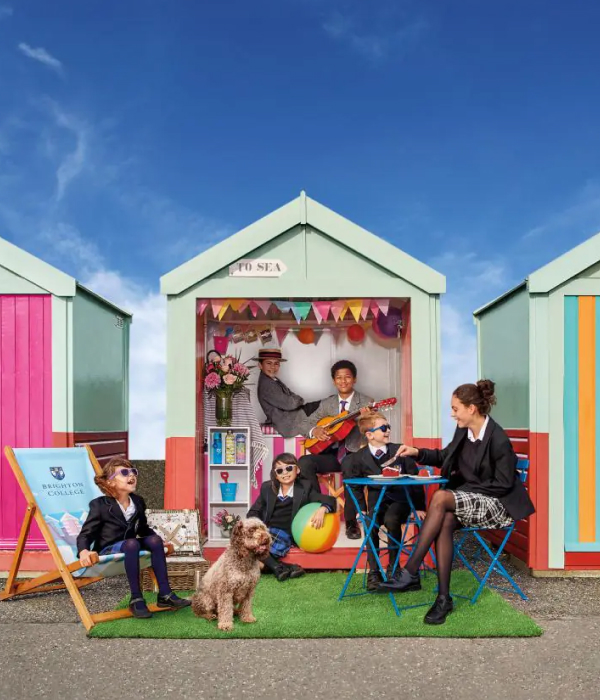
The best way to experience what life is like at Brighton College (Singapore) is to join us at an Open House, where you will have the chance to talk to pupils and teachers about what makes our school such a special place, and to answer any questions you have about life here.